What it is
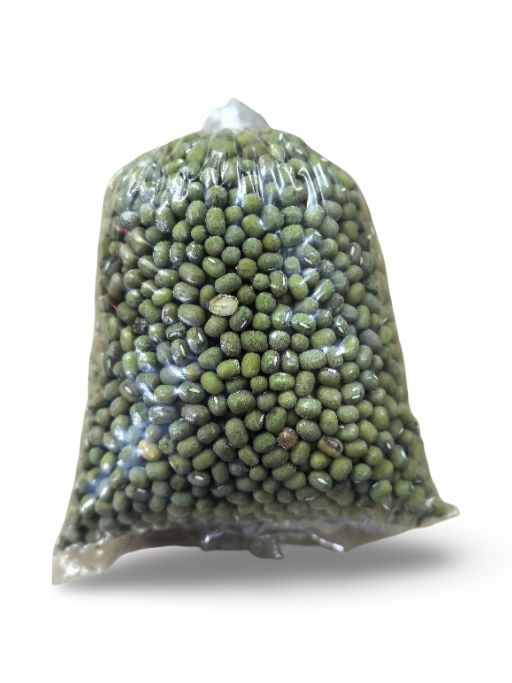
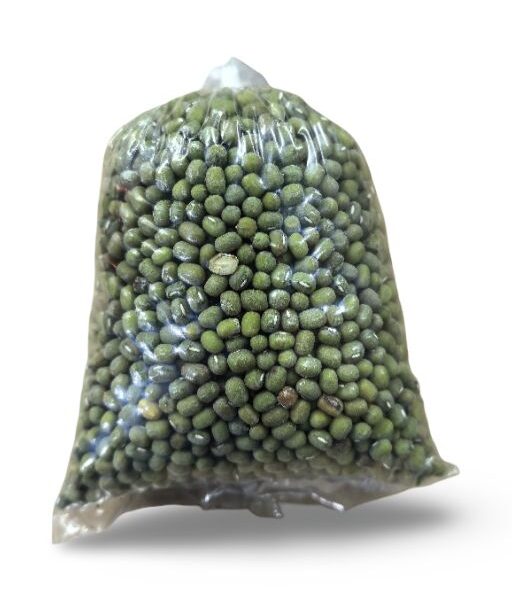
- The mung bean is a small legume belonging to the species Vigna radiata. Encyclopedia Britannica
- In the Philippines it is commonly called monggo or mongo. Panlasang Pinoy +1
- It is cultivated for its seeds (which can be eaten whole with skin, or split and hulled), and sometimes for sprouts
- The plant is an annual legume; plants have pods which hold several small se
Nutritional & functional attributes
- Mung beans are rich in protein, fibre, vitamins and minerals. PMC +1
- Because they are legumes, they also help with nitrogen-fixing in soil when grown.
- High Value Crops Program They have a mild, slightly sweet flavour when cooked and a soft texture when properly prepared.
Common uses in Filipino cuisine Savory stew:
- One of the most popular Filipino preparations is Ginisang monggo (sautéed mung beans) — mung beans are boiled and sautéed with garlic, onion, tomatoes, seafood (or meat) and vegetables.
- Wikipedia +1 Sweet/dessert use: Mung beans (or hulled ones) are also used in sweet dishes such as rice gruels with coconut milk (e.g.,
- Ginataang munggo) and as fillings in pastries/breads (e.g., pan de monggo) in the Philippines.
- Wikipedia +1 Sprouts: In some cases, mung beans are sprouted (called togue in Filipino) and used in spring rolls or as side vegetables.
- GBIF Selection & preparation tips When buying: Choose beans that are uniform in colour, free from moisture, mould or insect damage.
- Before cooking: Rinse well to remove dust or debris. Some cooks soak them briefly to reduce cooking time. Cooking:
- Whole mung beans generally need boiling until soft; split/hulled mung beans cook faster.
For ginisang monggo, cook beans until tender but still hold their shape, then add sautéed aromatics, vegetables, seafood/meat, and seasonings. Storage: Store in a cool, dry place in an airtight container to keep dry beans fresh. Why it’s a good ingredient Cost-effective source of plant-based protein and fibre. Versatile: works in both savoury and sweet dishes. Good for pantry: Dry beans have long shelf life, so you can keep them on hand for meals. Nutritional diversity: Including legumes like mung beans adds variety to meals and complements other food groups.
🥗 Freshness Tips
To keep your fruits and vegetables fresh for longer, store them in a cool, dry place or refrigerate as needed. Avoid washing produce until you’re ready to use them to prevent moisture buildup. Keep leafy greens in airtight containers or reusable bags to maintain their crispness. At PalengkeKo, we handpick every item so you can enjoy farm-fresh goodness right at home!










Reviews
Clear filtersThere are no reviews yet.